

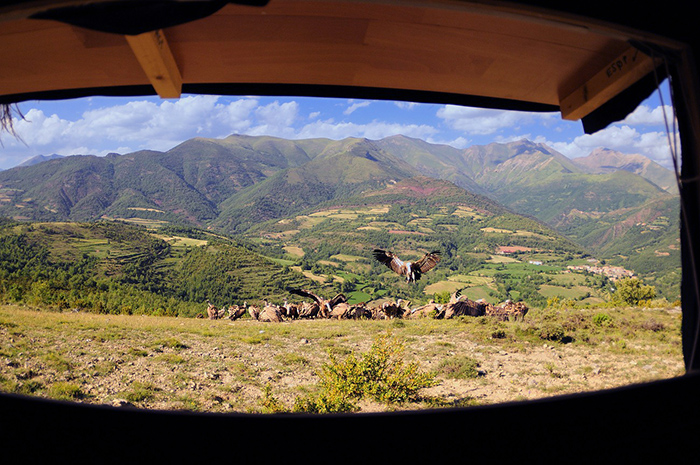
Depending on each case, we have hides where we take special care of the background, the setting, and the lighting to achieve the best images.
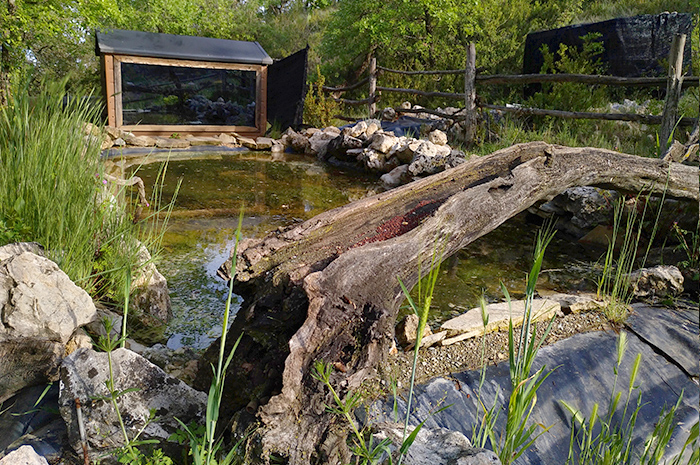
Wooden hides with a capacity for 2-3 people, with one-way glass. They have a WC.
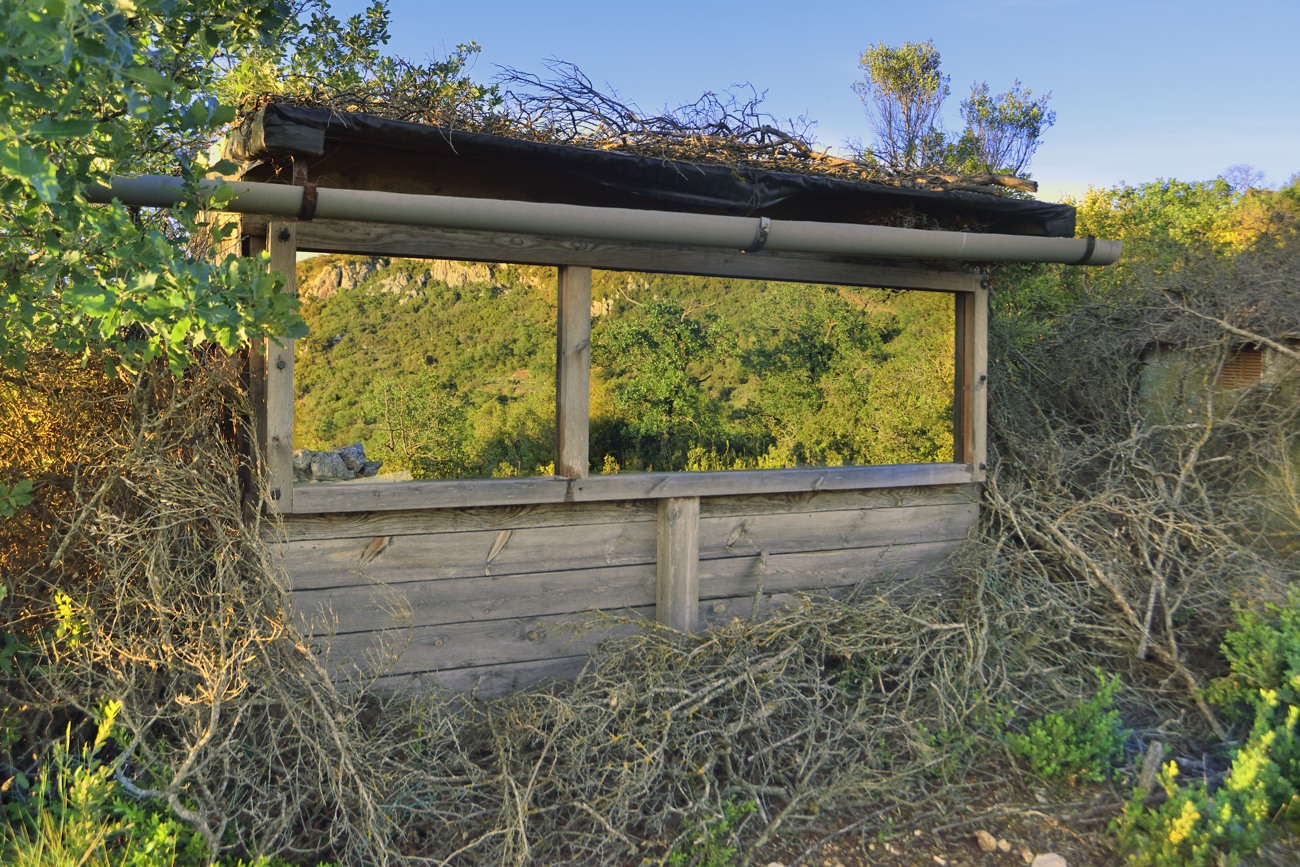
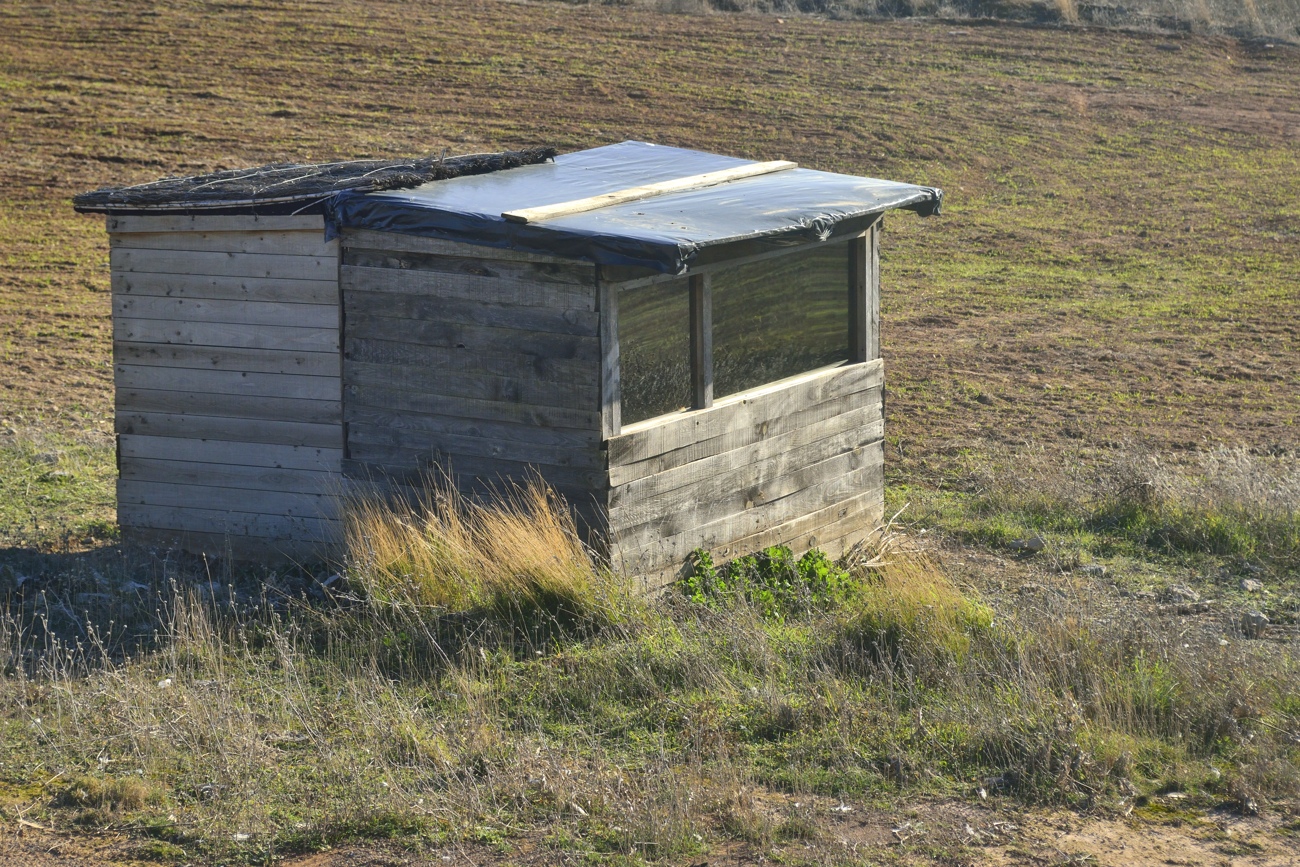
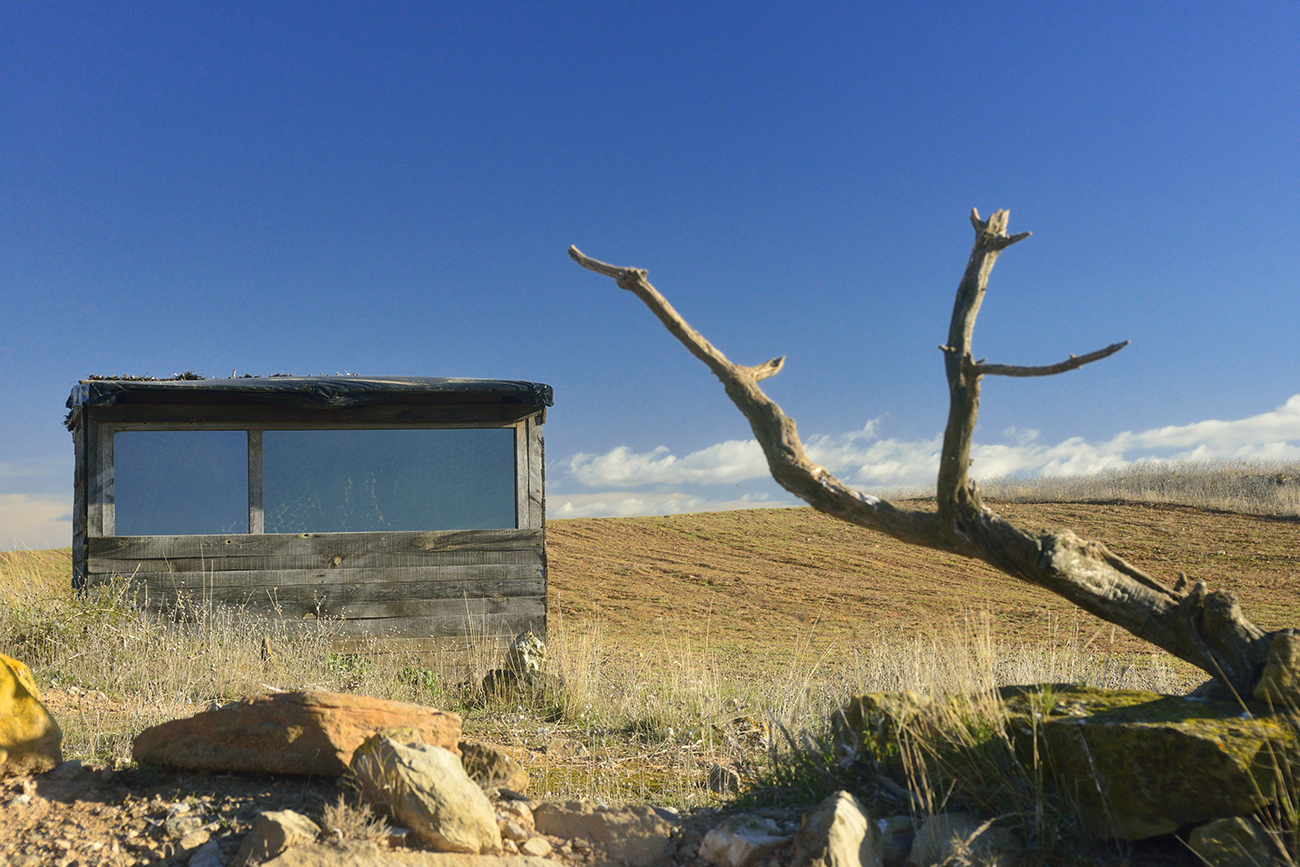
Mobile and canvas hides for 1-2 people with or without one-way glass.
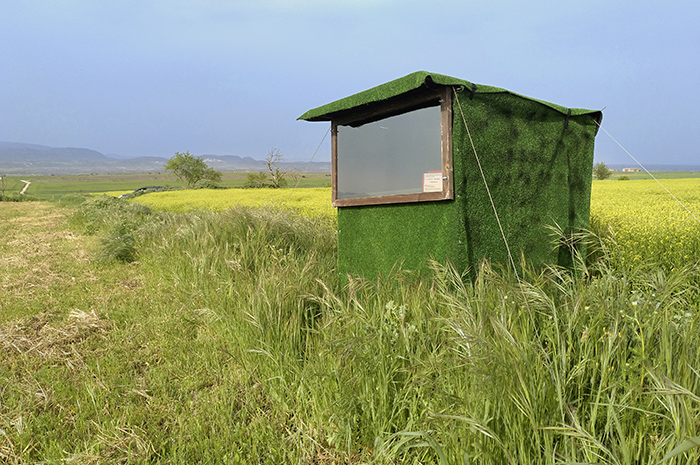
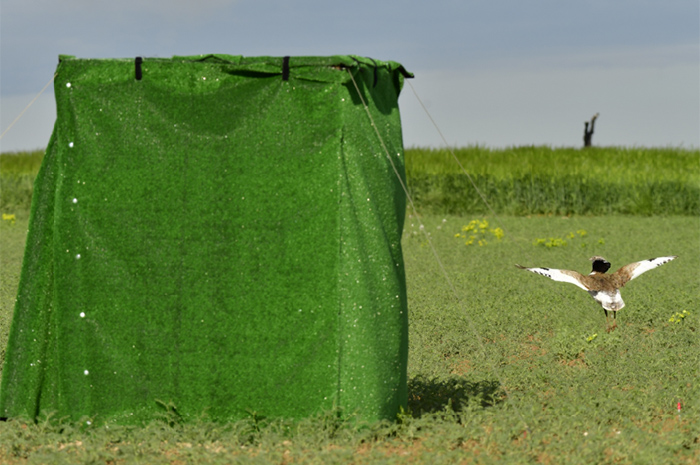
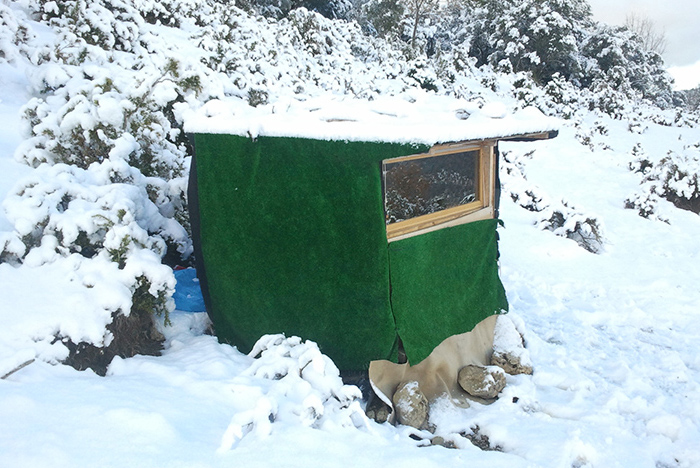
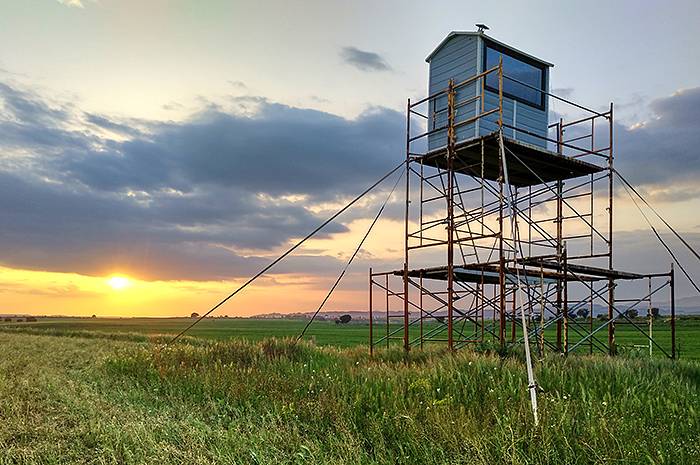
Rigid hides for 2-3 people with one-way glass.
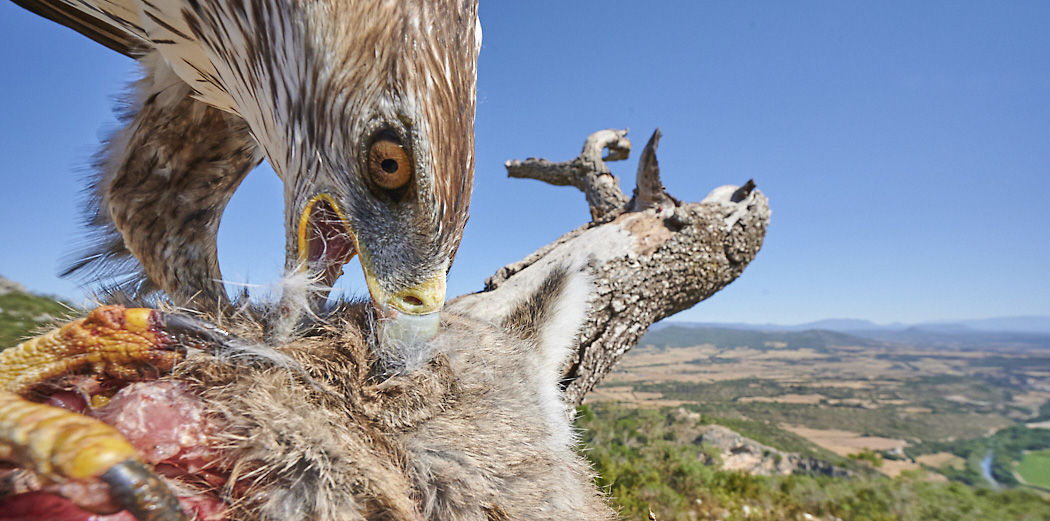
If you are a user of a mirrorless camera, a GoPro, or similar, we can prepare a session for you to obtain images with the camera just a few centimeters from the birds. We have power sources and devices for remote control using the camera's own Wi-Fi.
Ask us for more information!
Behavior in the hides
1. DO NOT LEAVE THE HIDE until the guide arrives at the door. This is very important, as you may not see the birds, but they may be watching. If they see someone arriving, they will most likely leave and nothing else will happen, but if they see someone leaving the hide, they will probably associate it with people and therefore see it as a danger. It is likely they will be very cautious when returning to the site and may not do so for a while.
2. It is better not to talk, but if you do, SPEAK IN A LOW VOICE, and try to avoid making sudden or abrupt noises and movements in hides without one-way glass.
3. Inform us of your experience: the behavior of the animals, your comfort, observations, incidents, and even advice on any aspect you think we could improve. YOUR FEEDBACK is important to us.
4. It is strictly FORBIDDEN TO SMOKE in the hides.
5. Take care NOT TO HIT THE GLASS with your lenses or in any other way to attract the birds' attention.
Use of one-way glass
We use one-way glass in most of our hides. This prevents the birds from seeing the movements of our lens, which would scare them off during the session and make them more wary of approaching again. Today, most commercial hides, especially those that allow photographing the wariest species, are built with one-way glass.
However, the glass means a loss of light of between 1 and 2 f-stops. You may also lose a bit of sharpness if shooting at an angle of more than 30º relative to the perpendicular of the glass. In such a case, there may be a greater loss of definition the more obliquely you take the photos.
Distances to birds and lenses
It depends on the species and the hide. Some examples:
- Bonelli's eagle: 12 to 15 meters.
- Other birds of prey (goshawk, buzzard, marsh harrier, etc.): 8 to 25 meters.
- Vultures and bearded vulture: 10 to 40 meters.
- Lesser kestrel: 8 to 12 meters.
- Little bustard: 8 to 40 meters.
- Temporary hides (hoopoe, bee-eaters, stone-curlew, etc.): 5 to 10 meters.
Depending on the situation, the hide, and the size of your camera's sensor, you can use lenses from 300mm to 500mm or 600mm and teleconverters. Other shorter lenses (70-200mm, for example) will also be useful for integrating the animals into the landscape.
A typical day in a hide
This depends on both the species and the time of year. The most typical examples are:
- Steppe birds (little bustard, bee-eaters, lesser kestrel, stone-curlew, etc.): in April, May, and June, the weather is generally hot at midday and the light is intense. We will enter the hide early in the morning or even before sunrise. The session can last until mid-morning when activity decreases considerably. It is time to go rest at the apartment, review photos, etc. In the mid-afternoon, we can do the second session of the day in another hide until sunset.
- Bonelli's eagle: Normally, the eagles visit the hide in the morning, although it is not necessary to go very, very early. We will meet at sunrise to head to the hide. During the morning, they can appear at the hide at any time, until two or three in the afternoon. When they have to feed their chicks, they can visit throughout the day and more than once. From July to mid-August, the year's juveniles may also come.
- Other birds of prey (goshawk, marsh harrier, buzzard, etc.): We will enter at dawn to be ready at first light. As it begins to get light, the first specimens may arrive. There is usually good activity until mid-morning. It then decreases considerably until a couple of hours before sunset, when it becomes active again.
- Scavengers (vultures, bearded vultures, Egyptian vultures, kites, etc.): We will meet early to head to the hide. While you get ready inside the hide, we will place the food for the scavengers. Shortly after we leave, the first griffon and cinereous vultures will appear. When things calm down a bit, it will be time for the Egyptian vultures and bearded vultures. In the mid-afternoon, we will come to pick you up.
Other
- All hides are equipped with chairs.
- The larger hides, where you will spend more hours, are equipped with a chemical toilet.
- Once you are inside the hides, we cannot bring you anything. You must bring everything you need, both photographic equipment and personal items (food, water, warm clothing, etc.).


