

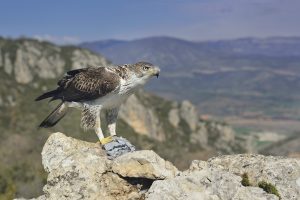
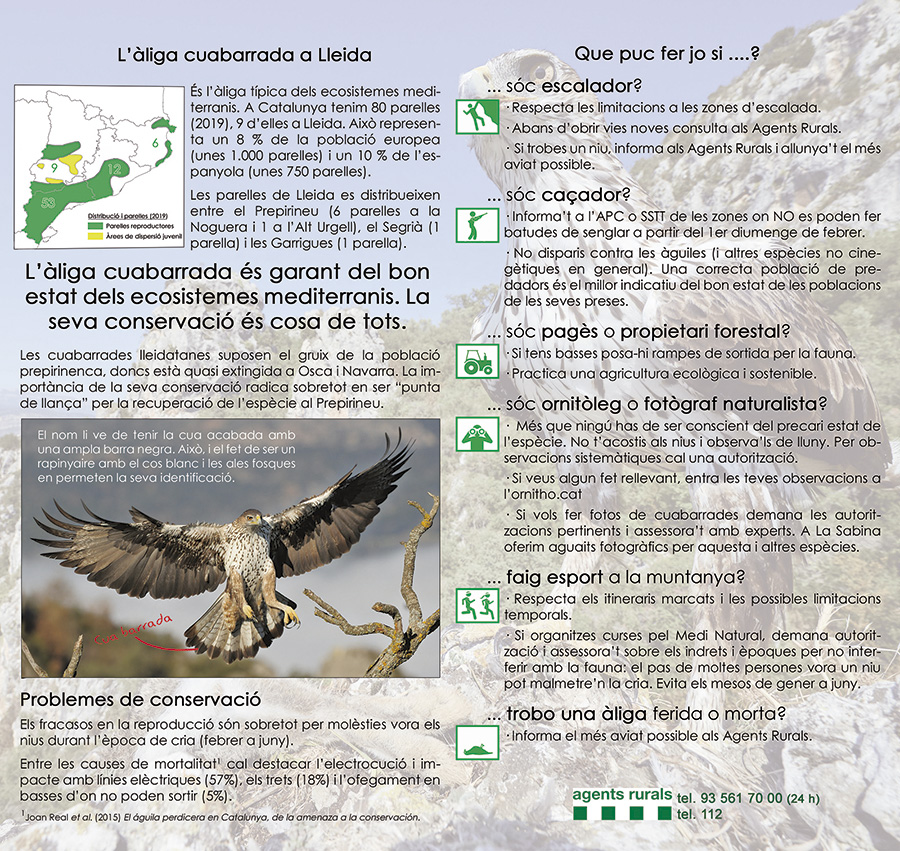
The Bonelli's eagle is one of the most threatened birds of prey in Catalonia, with a population of about 65 pairs.
In a pilot project to combine photography and the conservation of this species, La Sabina, in collaboration with the Department of Territory and Sustainability of the Government of Catalonia, has identified the disturbances affecting a local pair of Bonelli's eagles and has implemented various corrective measures to minimize them. Agreements have been reached with hunters to exclude nesting areas from hunting, and with the bishopric to prohibit fireworks at weddings and events at a hermitage near the nests. Additionally, the pair and their reproductive success are being monitored, and a Supplementary Feeding Point has been installed.
All these actions have meant that after years of reproductive failure, since 2012, the rate has gone from 0 to an average of 1.3 chicks/year, compared to the Catalan average of 0.7–0.8 chicks/year.
During 2019, we will extend our conservation actions to the entire province of Lleida with funding from the Biodiversity Foundation (Ministry for the Ecological Transition) and the support of the Department of Territory and Sustainability (Government of Catalonia). The project aims to consolidate and expand the actions carried out in the Photography and Conservation pilot project, export the model to another nearby pair, and conduct detailed studies on the pairs throughout the province for their future management through stewardship agreements and other methods.
In the Lleida region, there are 8–9 pairs that represent the boundary between the coastal and pre-coastal population of southern Catalonia (Tarragona) and the bulk of the pre-Pyrenean population. The importance of conserving these pairs lies primarily in their role as a buffer for the core population and as a "spearhead" for the expansion of the species.


The Bonelli's eagle is one of the most threatened birds of prey in Catalonia, with a population of about 65 pairs.
In a pilot project to combine photography and the conservation of this species, La Sabina, in collaboration with the Department of Territory and Sustainability of the Government of Catalonia, has identified the disturbances affecting a local pair of Bonelli's eagles and has implemented various corrective measures to minimize them. Agreements have been reached with hunters to exclude nesting areas from hunting, and with the bishopric to prohibit fireworks at weddings and events at a hermitage near the nests. Additionally, the pair and their reproductive success are being monitored, and a Supplementary Feeding Point has been installed.
All these actions have meant that after years of reproductive failure, since 2012, the rate has gone from 0 to an average of 1.3 chicks/year, compared to the Catalan average of 0.7–0.8 chicks/year.
During 2019, we will extend our conservation actions to the entire province of Lleida with funding from the Biodiversity Foundation (Ministry for the Ecological Transition) and the support of the Department of Territory and Sustainability (Government of Catalonia). The project aims to consolidate and expand the actions carried out in the Photography and Conservation pilot project, export the model to another nearby pair, and conduct detailed studies on the pairs throughout the province for their future management through stewardship agreements and other methods.
In the Lleida region, there are 8–9 pairs that represent the boundary between the coastal and pre-coastal population of southern Catalonia (Tarragona) and the bulk of the pre-Pyrenean population. The importance of conserving these pairs lies primarily in their role as a buffer for the core population and as a "spearhead" for the expansion of the species.
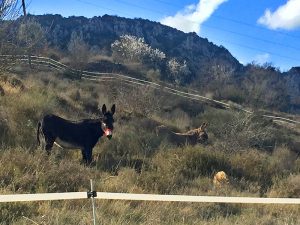
On April 24, TV3 broadcast a news report on the Bonelli's eagle conservation project in Lleida and the habitat improvement using donkeys to encourage prey species in one of the territories of a local pair of eagles.
This year's breeding season for the 8 (9) pairs of Bonelli's eagles in Lleida has been a complete success. This season, 13 chicks have fledged, representing an average of 1.44 chicks per pair. This is a great success, considering that the Catalan average is around 0.7–0.8 chicks per pair.
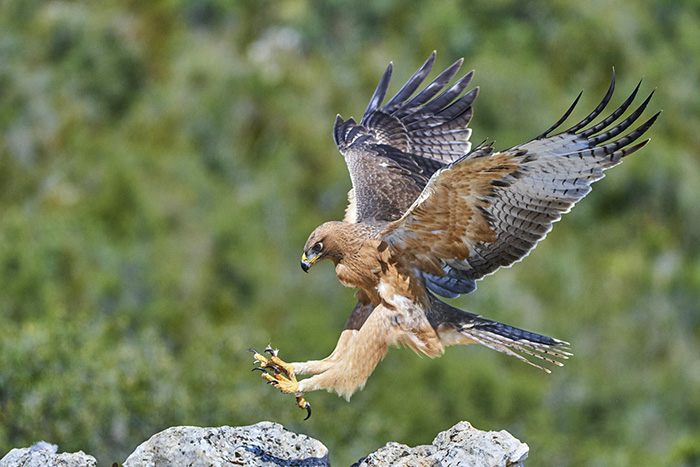
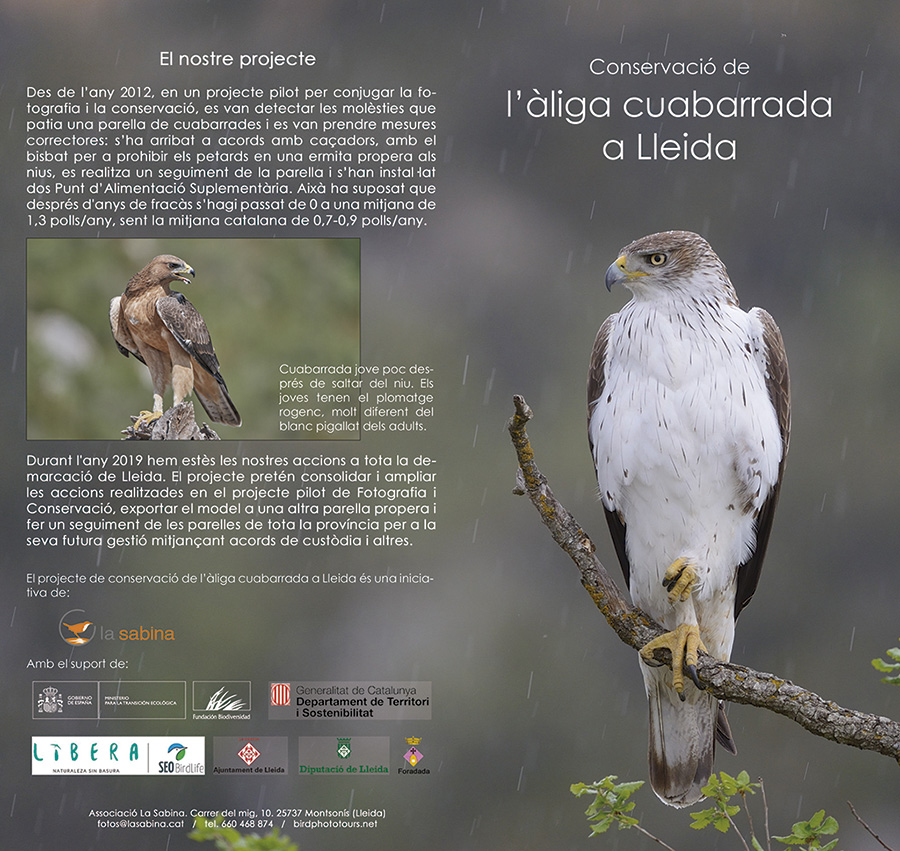
The plumage of the juveniles is very reddish, which easily distinguishes them from the adults.
Often, the adults bring the juveniles to the feeding spot. It is a real luxury to have four Bonelli's eagles together in front of the camera!!
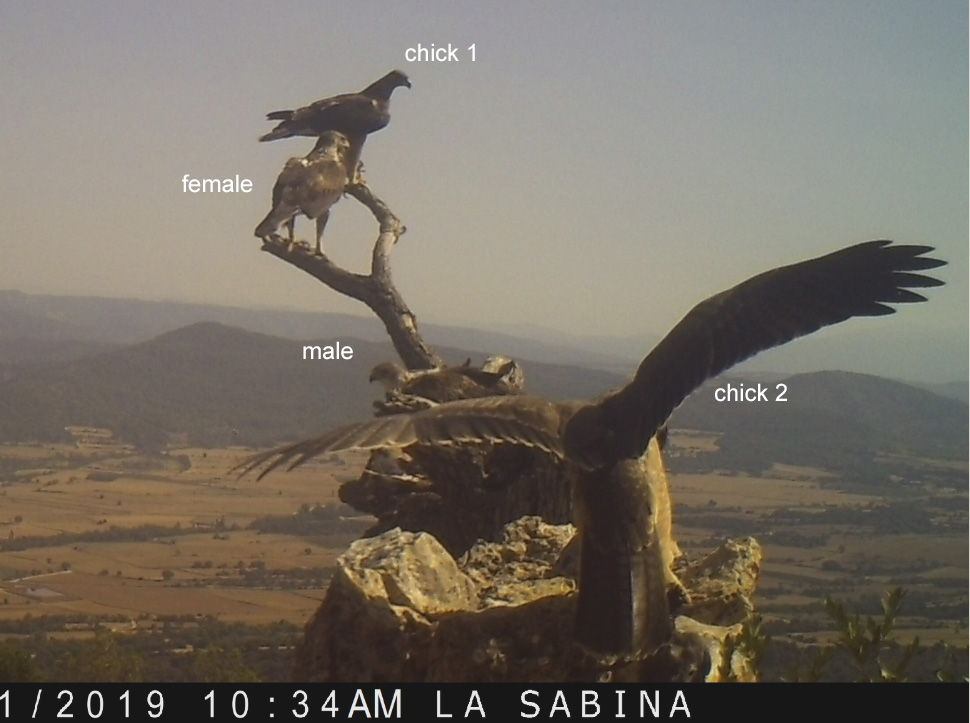
The plumage of the juveniles is very reddish, which easily distinguishes them from the adults.
The main conservation challenges for this bird of prey are caused by disturbances during the breeding season and the death of individuals, either directly or indirectly, due to human activity. Notable disturbances during the breeding season include climbing near nests, frequent human traffic in breeding areas (especially mountain races during the peak reproductive period), and, more sporadically, other disturbances such as gatherings, religious celebrations, or infrastructure maintenance work near nests. Direct deaths are attributed to electrocution on power lines, drowning in ponds, or being shot during hunting season.
Conserving the Bonelli's eagle is everyone's responsibility. You can make a difference too!!

· Respect restrictions in climbing areas.
· Consult with the Rural Agents before opening new climbing routes.
· If you find a nest, inform the Rural Agents and move away as soon as possible (tel: 112 or 93 561 70 00 / 24h).

· Check with the APC or the regional forestry services regarding areas where wild boar hunting drives are NOT permitted starting from the first Sunday in February.
· Do not shoot at eagles (or other non-game species in general). A healthy predator population is the best indicator of the well-being of their prey populations.

· If you have ponds, install exit ramps for wildlife.
· Practice ecological and sustainable farming.

· You, more than anyone, must be aware of the precarious state of this species. Do not approach nests; observe them from a distance. Systematic observation requires authorization.
· If you witness any relevant activity, please enter your observations at ornitho.cat
· If you wish to photograph Bonelli's eagles, please request the necessary permits and seek advice from experts.

· Respect marked itineraries and any temporary restrictions.
· If you organize races in the natural environment, ask for authorization and seek advice on locations and times so as not to interfere with wildlife: the passage of many people near a nest can ruin the brood. Avoid the months from January to June.
We have published a brochure about the Bonelli's eagle conservation project. You can find it at natural space information points and other locations (bars, tourist information points, cultural centers, etc.). We have also installed an information sign in Montsonís.
Time to take stock at the end of the project: during 2019, La Sabina consolidated the conservation project at Munt de Montsonís and expanded it to other parts of the Lleida region with the signing of two stewardship agreements. A couple of pigeon lofts have been installed: one in an area where Bonelli's eagles are occasionally present and another in the territory of an already established pair. Habitat improvements have also been made to favor prey species, such as the installation of water troughs, grazing with donkeys to clear vegetation, and sowing cereals for wildlife in old abandoned fields.
The 9 pairs of Bonelli's eagles in the Lleida region have been monitored, while disturbances and incidents in each territory that could jeopardize the breeding of this fantastic bird have been detected.
With the support of the Biodiversity Foundation of the Ministry for the Ecological Transition:

With the collaboration of:


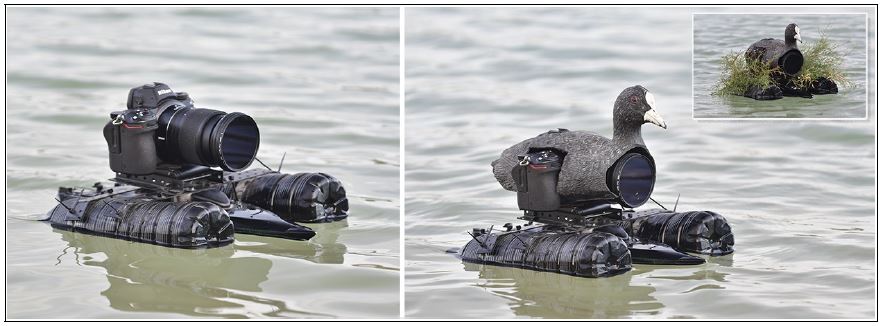
With this project, we at La Sabina - BirdPhotoTours want to explore the possibility of designing hides to operate on the water, replicating the type of hides we have on land.
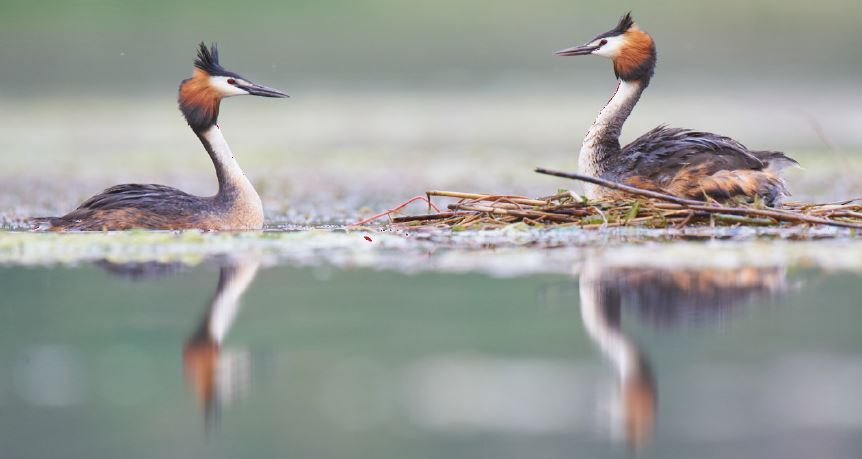
The aquatic environment offers spectacular wildlife, a pole of interest for naturalists and photographers. In the most popular places, hides have been built on the shore for bird watching, but they remain too far from the birds to take photographs.
Thus, we have designed the following prototypes:
- Single-use hide.
- Hide for three photographers.
- Aquatic remote photography device.
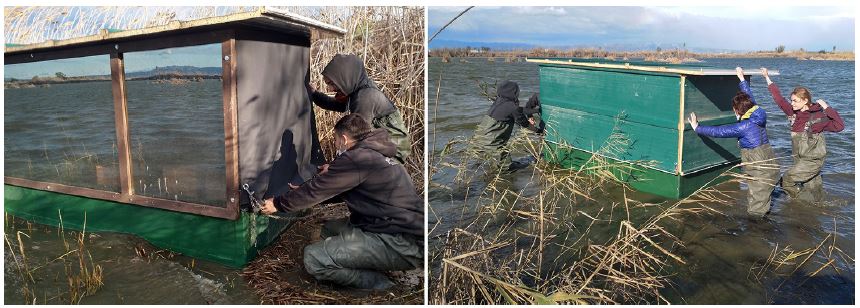
We have taken into account movement systems, stability, and attachment systems for the stationary hide, among others.
We hope to be able to offer you the possibility of photographing aquatic birds with the same guarantees that we do from dry land very soon!
This project has been supported by:

Sports activities in the natural environment are becoming increasingly popular, and every day more practitioners frequent mountain areas in search of new routes and paths to practice them. Without realizing it, the growing overcrowding of access to the natural environment for sports can affect the reproduction and, consequently, the conservation of many threatened species of large birds of prey.
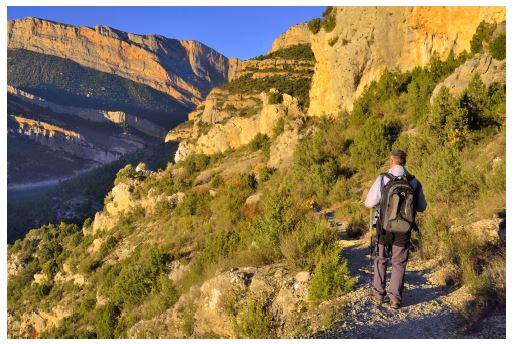
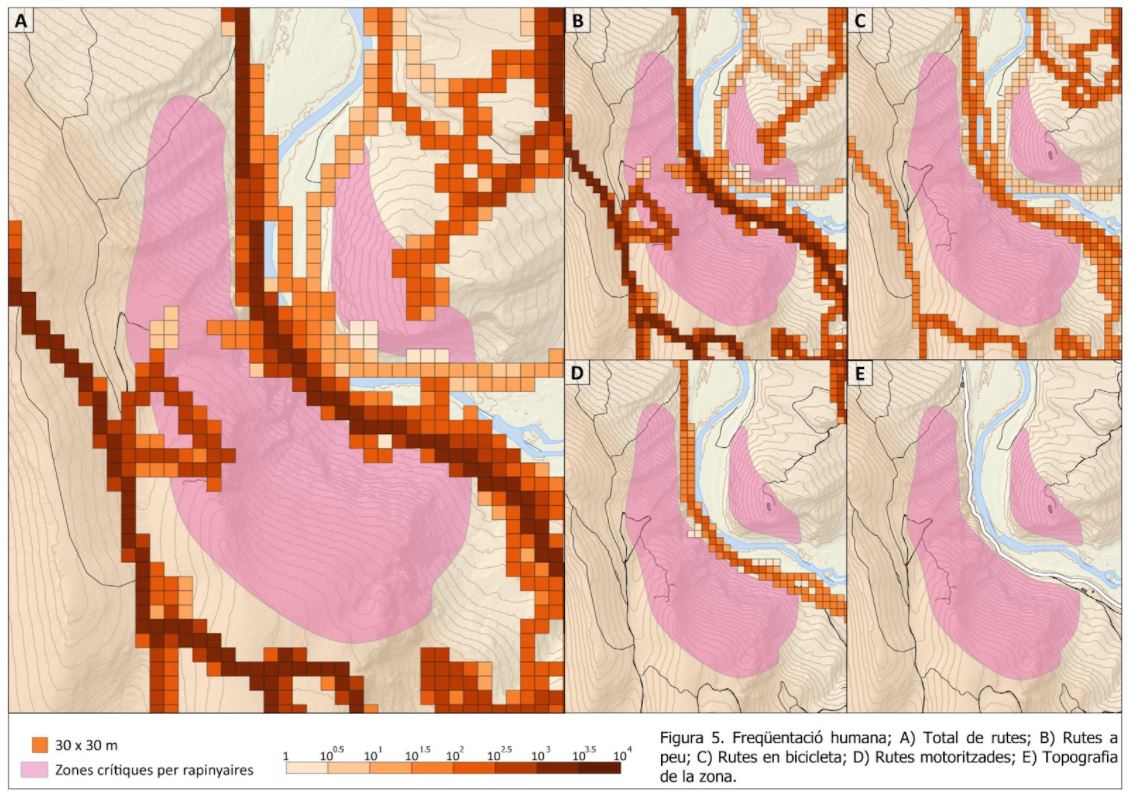
With this premise, we at La Sabina - BirdPhotoTours have studied to what extent data provided by the practitioners themselves to popular applications like Wikiloc can be used to manage the conservation of large birds of prey. Eleven areas sensitive to the conservation of large birds of prey in the Montsec area were selected, and public information available on the Wikiloc website was overlaid using a GIS program so that the frequency of use in each of the zones can be visualized.
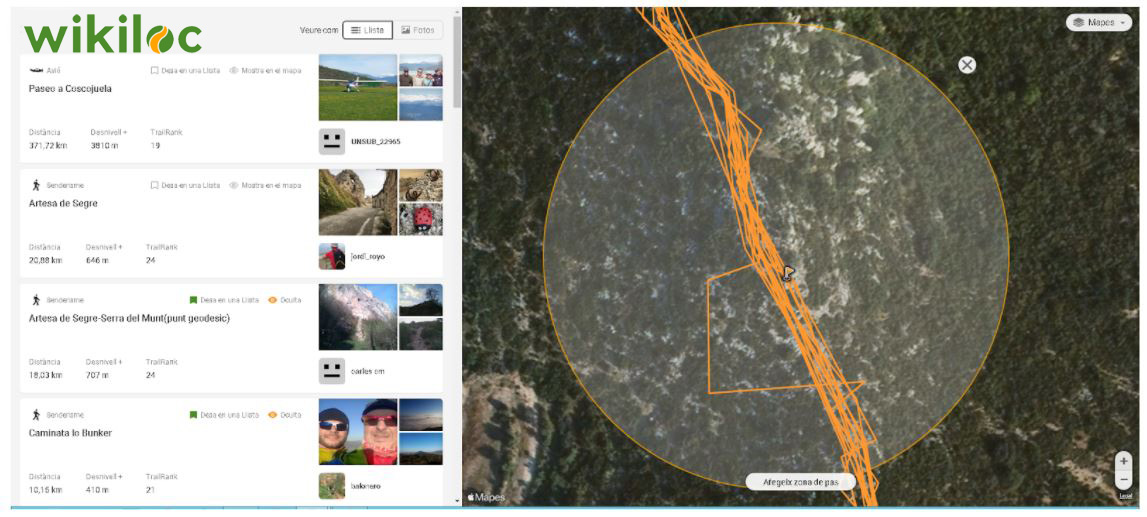
We have confirmed the enormous potential of applications like Wikiloc (and others) in monitoring access to the natural environment. It could be promising to use the proposed methodology in other cases such as:
- Areas of interest for fire prevention.
- Regulation of access to the natural environment for conservation, emergency, or other reasons.
- Understanding the cultural services of a natural space and comparing them between zones.
- Detecting areas where users of the natural environment interact with livestock and avoiding disturbances (by dogs, for example).
The project "Measuring the impact of sports activities in the natural environment on large birds of prey. Pilot project." has been supported by:
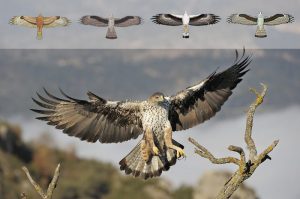
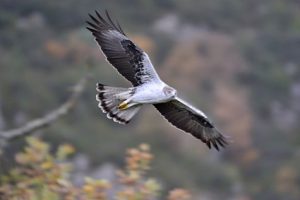
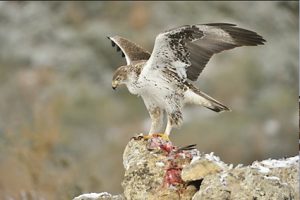
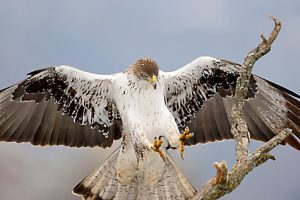
The Bonelli's eagle is a threatened species that is the subject of significant monitoring and conservation efforts, and the Montsonís project is doing its part by clearly improving its breeding success. Furthermore, thanks to the continuity of the photographs, it is possible to track individuals over time, providing data on specific birds and molts to detect changes that might otherwise go unnoticed (a study of their plumage is also underway).
This is why photographs that allow these changes to be visualized over time are of great help. If you have been with us photographing Bonelli's eagles, we are calling for your collaboration by contributing photos to the study where the plumage of the body and the underside of the open wings can be clearly seen.
If you would like to collaborate, you can send us photographs in a position similar to the photos above (it is important to indicate the date and the author). Under no circumstances will the photographs be made public, and should there be any interest in including any of these photos in a publication about plumage, we would ask for your authorization beforehand.
You can send the photographs at a size of 1600 pixels on the long side to: fotos@lasabina.cat
With the collaboration of:

We are a land stewardship organization, and as such, we have agreements with various landowners and local entities to manage certain lands for the conservation and photography of species. This allows us to carry out our work while benefiting the wildlife, and the landowner also gains a benefit.
We manage two mid-mountain properties on the slopes of Montsec, in the La Noguera region, under a land stewardship agreement. We carry out tasks there to support threatened species, especially the Bonelli's eagle and other cliff-dwelling raptors. The stewardship is based on:
- Habitat improvement for prey species, such as rabbits or partridges (sowing abandoned cereal fields, building ponds for amphibian reproduction and wildlife watering, grazing undergrowth with donkeys, building rabbit warrens, etc.)
- Signposting trails and regulating access to breeding and feeding areas for large raptors.
- Controlling disturbances around nests.
- Maintaining Supplementary Feeding Points for two pairs of Bonelli's eagles.
- Rehabilitating old buildings to support management efforts.
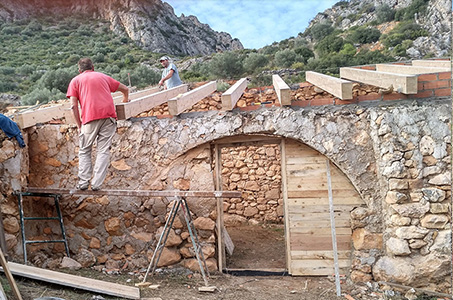
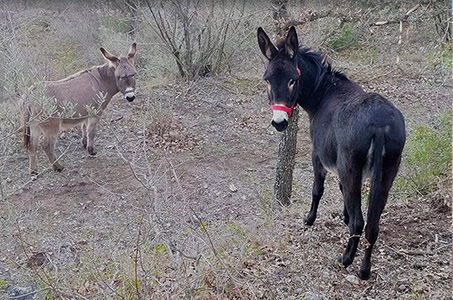
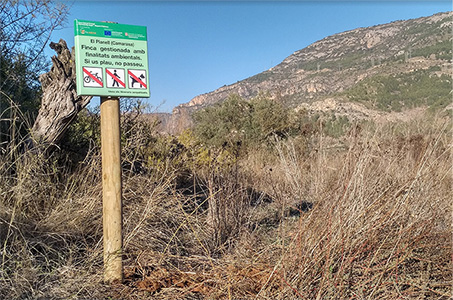
The resources allocated to the environmental management of these two properties come from our photography guiding activities and grants from public and private organizations.


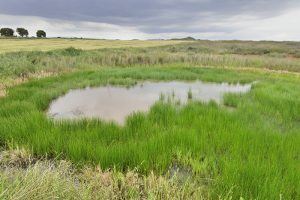
The abandonment of extensive livestock farming years ago has led to the loss of ponds where herds once went to drink. Many of these ponds were vital for wildlife, providing places to reproduce (for amphibians and invertebrates) or spots to drink and cool off during the hottest summer days (birds and mammals). With partial funding from the Biodiversity Foundation and the support of the Balaguer City Council, we have launched a project together with the Catalan Herpetological Society to restore five of these ponds in the drylands of La Noguera, near where we have some of our photography hides. A small contribution in the form of habitat improvement for these harsh, arid, yet surprisingly vibrant environments.
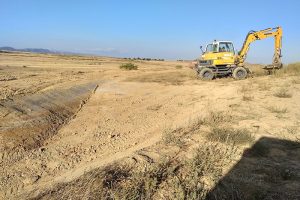
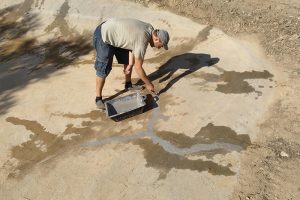
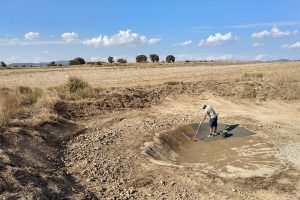
After an extremely rainy spring and some last-minute "obstacles"—in July, a pair of black-bellied sandgrouse nested just 250 meters from one of the ponds!!!—we have finally been able to start the restoration work. We waterproofed the basins that were leaking, improved surface runoff water collection, and made access easier for birds by lowering slopes and clearing excess vegetation in some spots. In a riparian forest along the Farfanya River, a new pond for amphibians was created by excavating down to the water table.
Before continuing with the work, we will have to wait for the autumn storms to settle the work from this first phase and then proceed with the project.
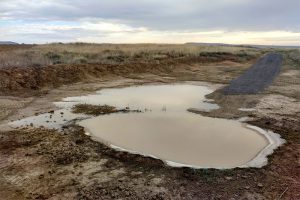
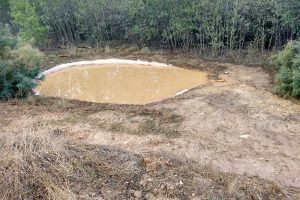
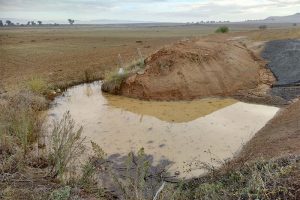
The autumn rains have started to fill the ponds. For now, they look a bit bare. We will wait for the materials to settle and the sediments to stabilize before evaluating this first phase and deciding on the appropriate actions to take for the winter and the start of next spring.
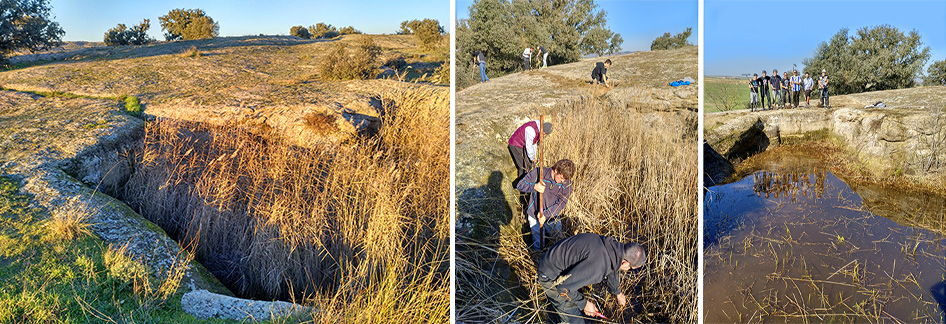
At the end of February, we cleaned the Pouets pond in the La Portella area. It is an interesting pond carved into the rock, holding about 35-40 m3, which collects runoff water from an area of about 1500 m2 through channels also carved into the stone. The cleaning was carried out by volunteers and students from the School of Agronomy and Forestry at the University of Lleida. Shortly after completing this work, we were able to count three green frogs in the pond.
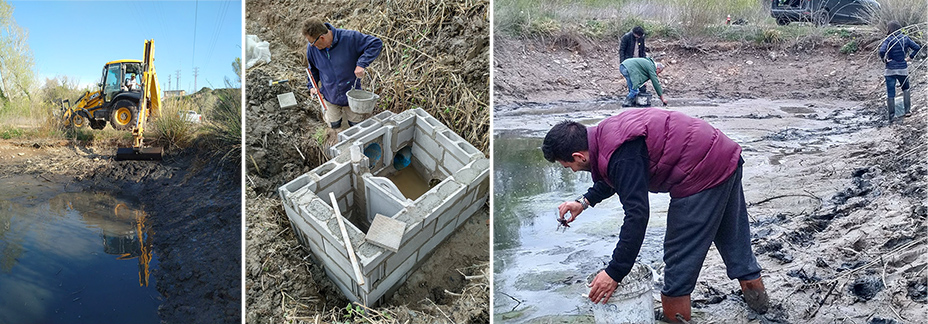
We are adding one final pond to the project: the Bassa de les Franqueses. The main objective is to control the red swamp crayfish to encourage amphibian reproduction. Eliminating them will be practically impossible, but an initial capture followed by draining the pond in the autumn to prevent the crayfish from burrowing to hibernate may be a way to keep them in check. We drained the pond, used an excavator to remove as much mud as we could (crayfish included), and built a small chamber to facilitate future water management. In one intense day of trapping, we collected nearly 1,500!!
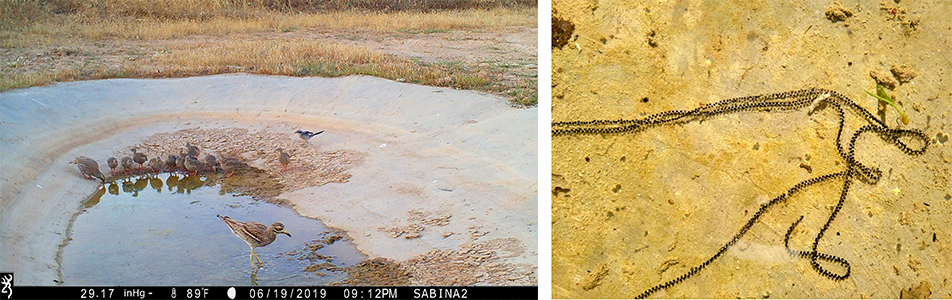
(On the left, a stone-curlew, a brood of partridges with their mother, and a southern grey shrike drinking together. On the right, a clutch of natterjack toad eggs)
At the end of the month, we finished the pond restoration project. Although they haven't fully stabilized yet, we are already seeing promising initial results regarding their use by dryland fauna. Five of the 6 ponds have already been colonized by amphibians (green frogs, natterjack toads, and common toads). Of the two intended as bird watering holes, one dried up mid-month, while the other still holds water. We have counted 14 different bird species and three mammal species coming to drink. Stone-curlews, partridges, calandra larks, lesser kestrels, Thekla larks... In one (the one that dried up), we found tracks of a black-bellied sandgrouse, although it didn't appear on the automatic camera.
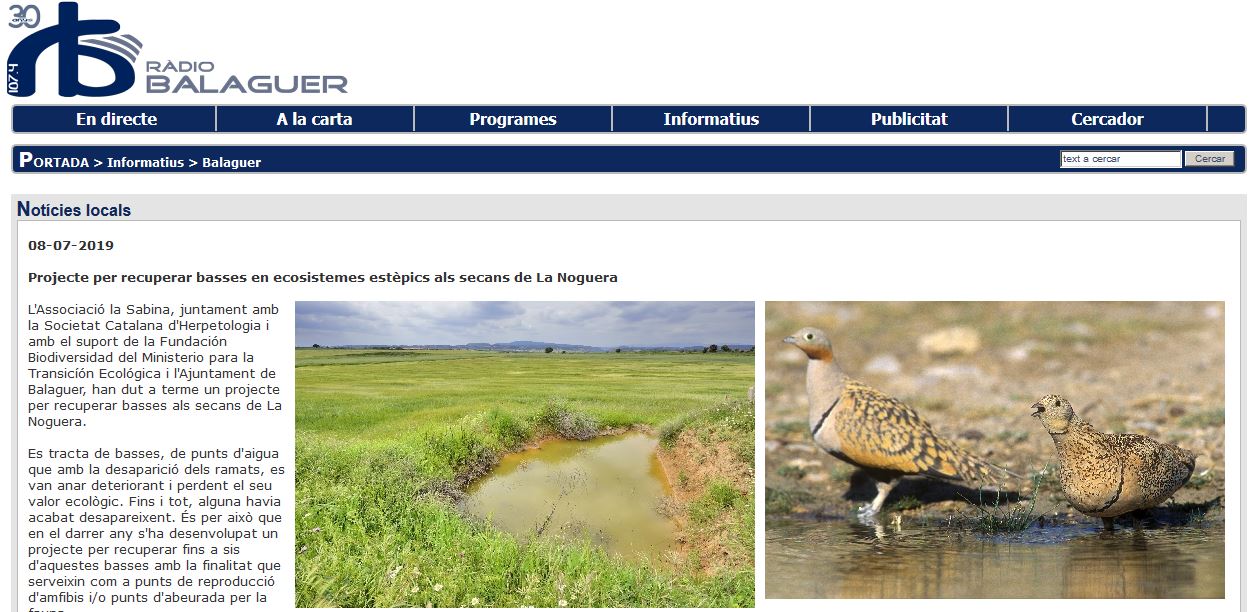
We couldn't be happier with the media coverage the project has received. Here are a few examples:
With the support of the Biodiversity Foundation, of the Ministry for the Ecological Transition:

The lesser kestrel disappeared from Catalonia in the mid-80s due to habitat transformation, primarily caused by the intensification of agriculture (conversion to irrigated land, use of pesticides, lack of old buildings for nesting, etc.). Since the early 90s, thanks to a long-term captive breeding and reintroduction project, the lesser kestrel has been recovering and currently has about 160 pairs in Catalonia (a hundred in the drylands of Lleida). Among other things, adapting old buildings or constructing new ones for the kestrels to nest in has been fundamental to this recovery.
The Montagu's harrier is a summer nesting species that is very localized and scarce in Catalonia. It was on the verge of disappearing from Catalonia, where it reached a low of only two breeding pairs. In 1986, the Generalitat initiated a campaign to locate and protect nests in cereal fields, which has succeeded in increasing the number of pairs currently nesting in the Lleida Plain to 60.
Since 2012, we have set up hides to photograph the lesser kestrel near one of the breeding colonies in the Lleida Plain and in the breeding territories of several pairs of Montagu's harriers.
In return, we collaborate on the conservation of these species with the Department of Territory and Sustainability of the Generalitat by providing materials for the annual monitoring and conservation campaigns for both species.
During 2019, in collaboration with the Environment Department of the Lleida Provincial Council, we conducted a preliminary study to assess the technical and economic feasibility of placing webcams in the natural environment to obtain real-time online images. Various cases were studied, depending on the technological difficulties involved in achieving the goal of being able to see what is happening in more or less remote locations from a computer or mobile device screen. In the most challenging cases, it is necessary to have equipment that is autonomous in terms of both energy and network connectivity. With the latest generation of image capture and data transmission devices, these systems can be implemented at costs that were unthinkable just a few years ago.
Bonelli's eagle. Webcam capture during testing (January 11, 2019)
We believe that the application of this system and the protocols used should serve to help raise awareness among different social agents through environmental education and outreach activities. In the long run, it is a way to provide sustainability and durability to nature conservation, while also allowing for progress in research on certain species and in outreach tasks that provide the public with more knowledge and, therefore, a greater appreciation for nature.
The project has been supported by:

Since the 1980s, government agencies and private entities have managed various feeding stations for scavenging birds in areas where these birds are distributed. These modern stations were intended to replace traditional ones, where carcasses of livestock that died in mountain villages were left, which had gradually disappeared. They became essential for the recovery of species such as the griffon vulture and the bearded vulture.
Since its founding, La Sabina has managed four private feeding stations for scavenging birds, which has allowed for both their conservation purpose and their funding through photography activities.
One of these stations is of great importance for the Catalan population of Egyptian vultures, with more than 60 individuals gathering there during the post-breeding migration period (it is worth noting that the Lleida population consists of just over sixty pairs out of the 80-plus in all of Catalonia).
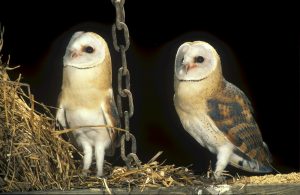
The barn owl is considered a vulnerable species in Catalonia and is in decline across Europe. "Hacking" is a technique used to establish individuals in a territory where the population has disappeared or dwindled, using chicks that are fed in an artificial nest before being released into the wild.
In collaboration with the Vallcalent Wildlife Protection Center (Government of Catalonia), barn owl hacking is regularly carried out in Montsonís. In addition to contributing to the repopulation of the species, this also helps raise awareness about the species and the challenges it faces among the general public.

To foster knowledge of various aspects of our natural heritage among the general public, we have developed several educational and recreational initiatives. These include the "Birds of Prey Lands" project, which features the "Rapinyaires" card game designed to raise awareness about the richness of having these birds in our territory. We also offer online courses focused on the Ivars and Vila-sana pond to support the in-person activities organized by EGRELL, in collaboration with the Ivars and Vila-sana Pond Consortium, since the pond's restoration. These efforts contribute to the dissemination of knowledge about the area's natural values and, consequently, its conservation.


